Pay N Play Technology: Merging Secure Payments and Mobile Casino Experiences
Katja Lange · Aug 25, 2026
Pay N Play Technology: Merging Secure Payments and Mobile Casino Experiences
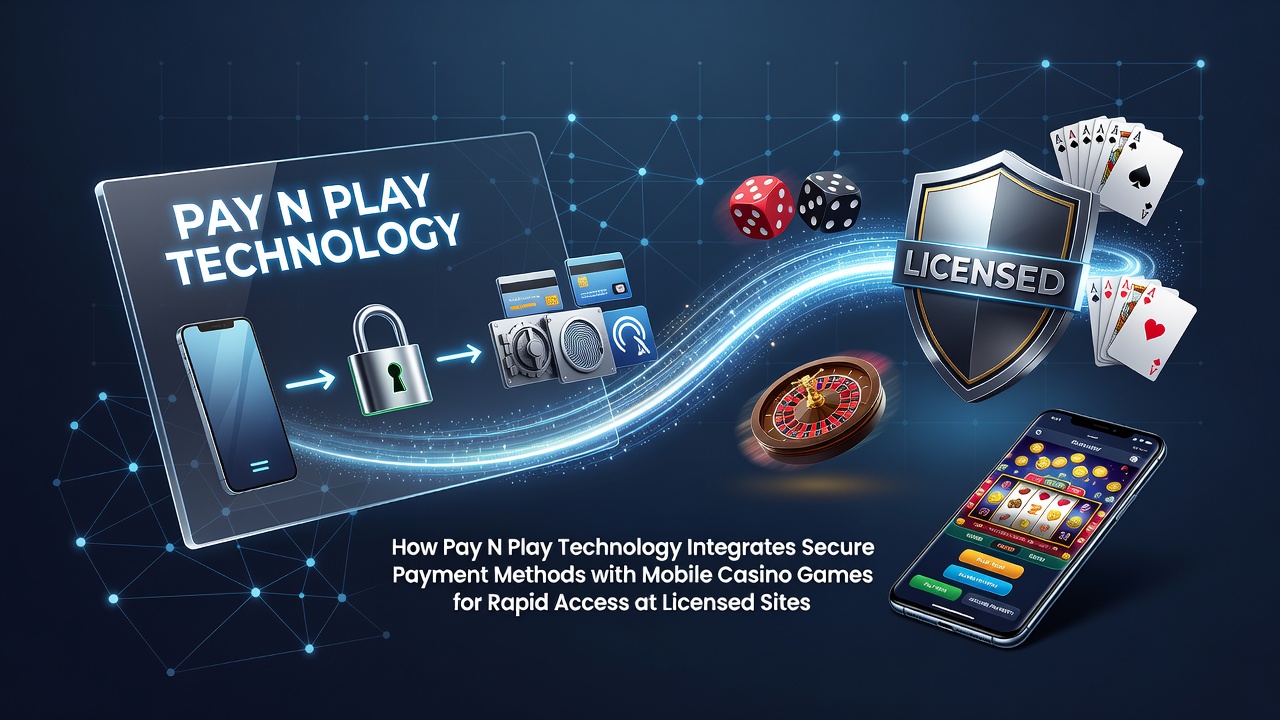
Pay N Play systems connect directly to verified bank accounts through third-party providers, allowing players to access mobile casino games without creating separate accounts or entering lengthy registration details. Licensed operators embed these tools into their applications so that a single authentication step triggers both deposit processing and game entry within seconds. Data indicates that this approach reduces onboarding time from several minutes to under thirty seconds at many platforms, according to industry metrics compiled in recent reports.
Core Mechanics Behind Pay N Play Integration
Operators link Pay N Play modules to existing mobile game libraries through secure APIs that transmit encrypted bank credentials to the payment processor. The processor verifies funds availability in real time while the application loads the selected title in the background. Players see their balance update instantly on the screen, then proceed into slots, table games, or live dealer environments without additional steps. Research from academic studies on digital payment flows shows that this seamless handoff relies on tokenization standards that prevent exposure of sensitive account numbers during transmission.
Security protocols include multi-factor authentication at the banking level combined with device fingerprinting on the mobile side. These measures align with requirements set by regulatory bodies such as the Malta Gaming Authority and the Nevada Gaming Control Board. In August 2026 several jurisdictions are scheduled to update their technical standards for real-time verification, which will further standardize how Pay N Play handles cross-border transactions within licensed environments.
Secure Payment Methods Supported on Mobile Platforms
Most implementations rely on open banking connections that pull funds directly from checking or savings accounts. Some platforms also incorporate digital wallets that interface with the same Pay N Play framework, giving users alternative routes while maintaining the no-registration principle. Encryption occurs at multiple layers, from the moment data leaves the device until it reaches the licensed operator's servers. Figures from payment security audits reveal that fraud rates in Pay N Play environments remain lower than traditional card-based systems because the method eliminates stored card details altogether.
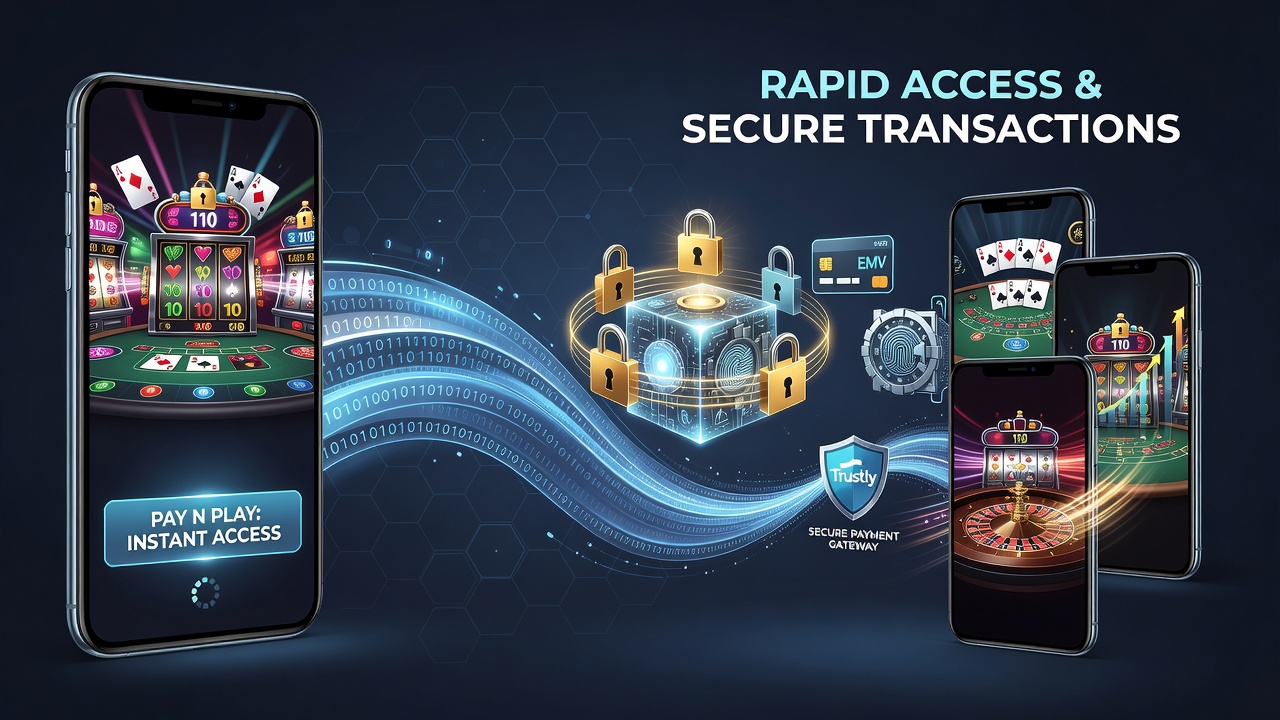
One documented case involved a European operator that integrated Pay N Play into its live dealer mobile suite. Players who selected the instant option completed deposits and entered blackjack tables in under twenty seconds on average. The same system automatically handled withdrawal requests by reversing the original bank transfer, with funds typically settling within hours rather than days. Observers note that this speed stems from the direct bank-to-bank rail rather than intermediary card networks.
Performance in Rapid Access Scenarios
Mobile applications optimized for Pay N Play preload game assets during the payment verification window. This parallel processing means the transition from deposit confirmation to active gameplay occurs without noticeable lag. Data collected by research institutions tracking user behavior shows session start times dropping by approximately forty percent compared to legacy registration flows. Licensed sites maintain compliance logs that record each transaction timestamp, ensuring audit trails remain intact even during high-volume periods.
Developers continue refining these integrations by adopting newer banking APIs released in 2025 and 2026. The updates improve compatibility across different operating systems and reduce occasional timeout errors that previously interrupted the flow. Industry organizations such as the European Gaming and Betting Association have published guidelines encouraging consistent implementation of these standards across member platforms.
Regulatory Context and Future Developments
Licensed operators must demonstrate that their Pay N Play implementations meet jurisdictional requirements for player protection and transaction monitoring. Canadian provincial regulators and Australian state authorities have both issued technical directives that outline acceptable encryption levels and data retention periods. These rules influence how mobile applications display payment options and confirm user consent before each transfer.
By August 2026 several markets plan to introduce mandatory testing intervals for payment modules, requiring operators to submit fresh certification reports every twelve months. Such measures aim to keep pace with evolving cyber threats while preserving the speed advantage that defines Pay N Play experiences. Academic papers examining payment technology adoption in gaming contexts highlight that transparent regulatory frameworks correlate with higher user trust metrics across regions.
Conclusion
Pay N Play technology continues to reshape how players reach mobile casino content by linking secure bank transfers directly to game access. Licensed operators that embed these systems deliver verified, rapid entry points while adhering to technical standards set by multiple international bodies. Ongoing updates scheduled through 2026 will likely refine encryption practices and verification timelines without altering the core instant-access model that defines the approach.